Kira Weiner is a writer and musician who teaches fiction at Columbia University. Previously, she managed author events for Catapult, Counterpoint, and Soft Skull Press.
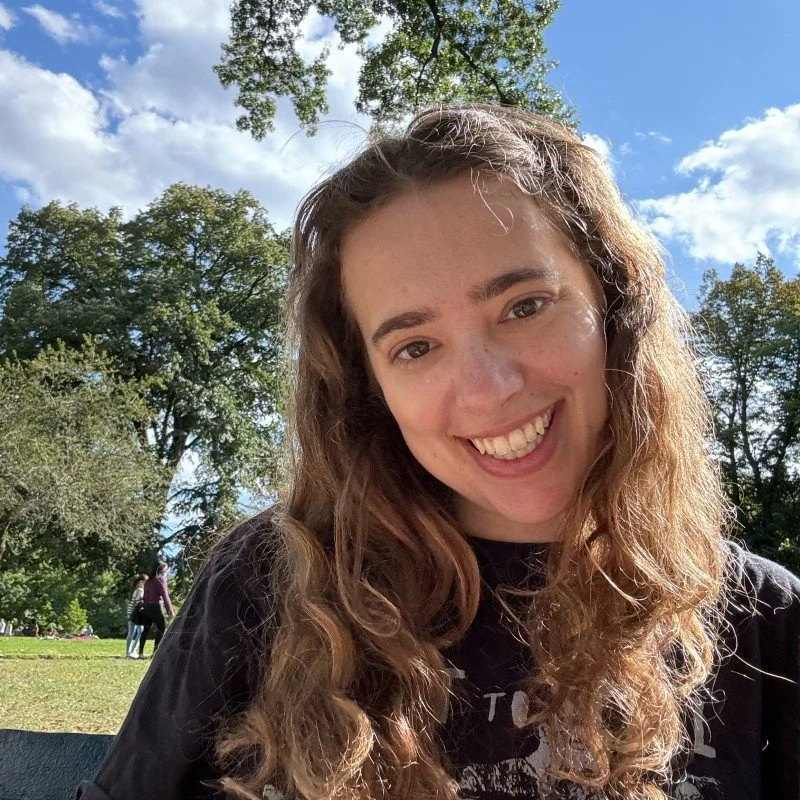
Kira Weiner studied fiction writing at Columbia University, where she received the Writing Program Scholarship and taught creative writing with Columbia’s Pre-College Program, the School at Columbia, Columbia Community Classes, and the Lenfest Center for the Arts. She is an incoming Adjunct Assistant Professor in Columbia’s Undergraduate Creative Writing Program.
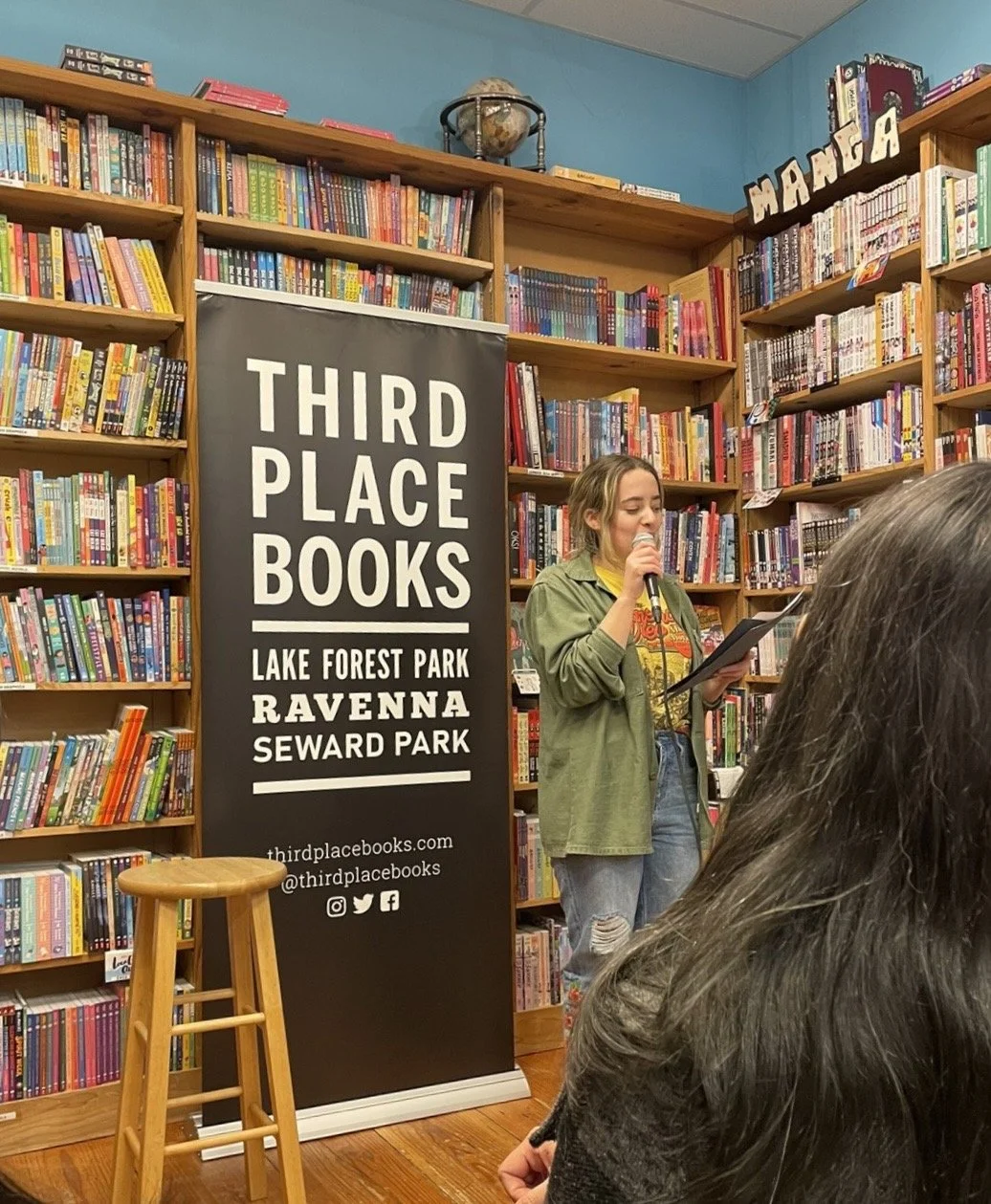
Prior to teaching, she worked in bookselling and book publishing, most recently as the Event Manager for Catapult, Counterpoint, and Soft Skull Press.
She also writes music and plays guitar in a few bands in Brooklyn, where she lives. Her favorite guitar pedal is her Big Muff.
She is at work on her first novel, an indie rock Künstlerroman set in New York City.

Columbia University
2024-Present
I am an incoming Adjunct Assistant Professor of fiction in Columbia’s Undergraduate Creative Writing Program. During my MFA, I taught with the Pre-College Program, the School at Columbia, Columbia Community Classes, and the Lenfest Center for the Arts. I completed additional pedagogical training with Columbia’s Center for Teaching and Learning, Columbia Artist/Teachers, and the Writer as Teacher course. I also served as Assistant Director of Columbia Artist/Teachers and worked in the Music & Arts Library.
Catapult Book Group
2021-2024
As the Event Manager for Catapult Book Group (Catapult, Counterpoint, and Soft Skull Press), I coordinated more than 300 literary events a year, working with authors including Melissa Febos, Banana Yoshimoto, Yasmin Zaher, and Amanda Peters. Prior to managing the events program, I worked as Catapult’s Marketing & Events Assistant.
(Charli xcx voice) ROOOOCK music
2021-Present
Outside of teaching creative writing, I play guitar for the bands Sleeper Femcel and Sunshine Convention. We’ve played at venues like Baby’s All Right, Union Pool, Mercury Lounge, and the Broadway.
Teaching Philosophy
My philosophy on teaching creative writing aligns with “education as the practice of freedom” from Teaching to Transgress by bell hooks.
In my teaching practice, “education as the practice of freedom” means recognizing each student as an individual with their own particularities, interests, and ways of learning; incorporating a diversity of viewpoints, identities, and experiences in the classroom; embracing accessibility as the norm, not the exception; and equipping students with transferable skills that extend outside the classroom and throughout their writing lives.